
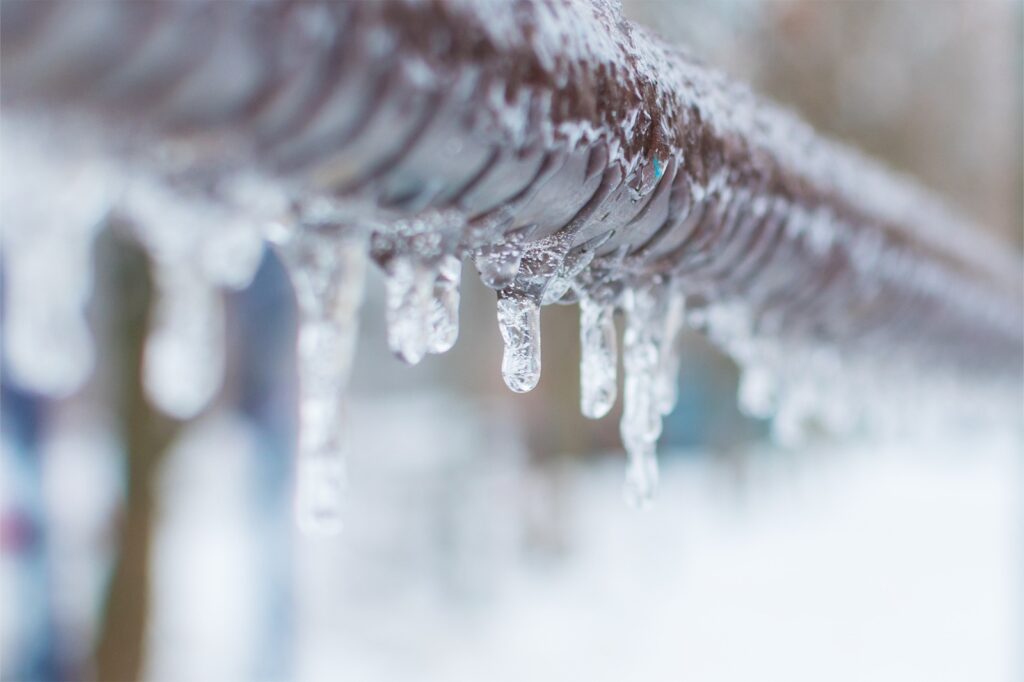
When the frigid temperatures come blowing into New York City, life gets a bit more complicated. One of the most common problems that people encounter are frozen pipes, which can cause water damage if they burst. It’s important to be prepared by learning what to do if your pipes freeze.
Why Pipes Freeze
Pipes can freeze when certain circumstances are present, including:
- Temperatures under 20 degrees
- Poor insulation, which allows cold air to directly contact pipes
- Pipes are located in unheated areas, such as exterior walls or basements
- Cracks in the foundation or walls are present that allow cold air more access to pipes
The danger of frozen pipes is that when water freezes, it expands, putting immense pressure on the pipes causing them to burst. This can cause extensive and expensive water damage.
Thawing Frozen Pipes
If it’s very cold outside and you notice that water is not flowing from one or more of your fixtures, the culprit is likely frozen pipes. Here is a step-by-step rundown of what you should do to thaw them.
- Shut off the water supply to your home. This can reduce the potential water damage if your pipes burst before you get them thawed.
- Locate the frozen pipe. Follow the source of the water to the affected fixture to find the pipe that is frozen. You’ll recognize the frozen pipe because it will have frost on it. You may have to do some investigating to locate it. Check under sinks, in the basement, and in the attic. If you can’t find it, you should call a Licensed Master Plumber right away.
- Open the affected faucet or faucets.
- Check the pipe for leaks and cracks, which will indicate that it has already burst. If this has happened, stop and call a plumber right away.
- If it’s not leaking, thaw the pipe if you can, using a hair dryer on a low setting, a heating pad, a space heater, or by wrapping hot cloths around the pipe. Keep the heat on until the affected faucets have flowing water again.
Be very careful as the pipe thaws to keep your heat source away from water so that there is no risk of electrocution.
What to Do if Frozen Pipes Burst
If your pipes have burst, turn off the water supply to your home immediately, and call an emergency plumber. Keep in mind, that many people may be having the same issue, so plumbers may be so busy that they can’t get to you for a few days. In this case, you can attempt to patch or clamp the pipe. You can get the right supplies at a hardware store.
Preventing Frozen Pipes
Of course, your best bet is to do everything that you can to prevent frozen pipes. This can save you time and money and help you to avoid a disaster.
To prevent frozen pipes, you should:
- Keep your thermostat over 55 degrees even if you are going out of town.
- In colder temperatures, keep your faucets running slightly.
- Insulate all pipes located in unheated areas.
- Open up your cabinet doors to allow heated air to flow to your pipes.
- Seal any cracks or openings that allow cold air into your home.
- Remove any hoses outside, turn off outdoor faucets and insulate them.
A Real World Story from NY Plumbing Pros
It was the morning after the huge snowstorm last winter, the kind of storm that shuts everything down. The roads were still icy, and our phones had been ringing all night with calls about frozen pipes. Around seven in the morning, dispatch sent us to a family in Brooklyn who had completely lost water pressure overnight. Their kids were home for Christmas break, and the mom said the pipes under the kitchen sink were frozen solid.
When we arrived, the house was freezing inside. We opened the cabinet under the sink and saw the pipes covered in frost, completely iced over. Thankfully, they had shut off the main valve when we told them to, which probably saved them from a burst pipe and thousands in water damage.
The first thing we always do in that situation is check for cracks before applying heat. You never want to thaw a split pipe because it can flood the space in seconds. Once we confirmed that everything was intact, we used a heat gun to gently warm the pipe, working slowly from the faucet back toward the frozen section. We never use an open flame because it’s dangerous and can damage the pipe or even start a fire.
After about forty minutes, we heard that first little trickle of water, a sound that never gets old. Within minutes, water was flowing again. We wrapped the pipes with insulation and showed the homeowner a few simple ways to prevent it from happening again, like keeping cabinet doors open and letting warm air circulate during cold snaps.
You could see the relief on their faces. They had been without water since the night before, stuck inside with their kids, and having water again made all the difference.
At NY Plumbing Pros, we handle a lot of frozen pipes every winter, but every call is different. Acting quickly and working carefully is what keeps homes safe and families comfortable, especially when the weather is at its worst.
In Closing
Frozen pipes are a serious problem, but a preventable one. Taking the time to prepare for cold temperatures can save you thousands of dollars in water damage repairs that you’d face if your pipes burst. If you suspect that you have frozen pipes or if your pipes have burst, New York Plumbing Pros is here to help. Our Licensed Master Plumbers have the experience, skills, and equipment to take care of your issues, and keep your home safe. Give us a call to learn more!